
In the valley of drinks-you-have-to-chew, there is a tradition of finding unusual things to eat.
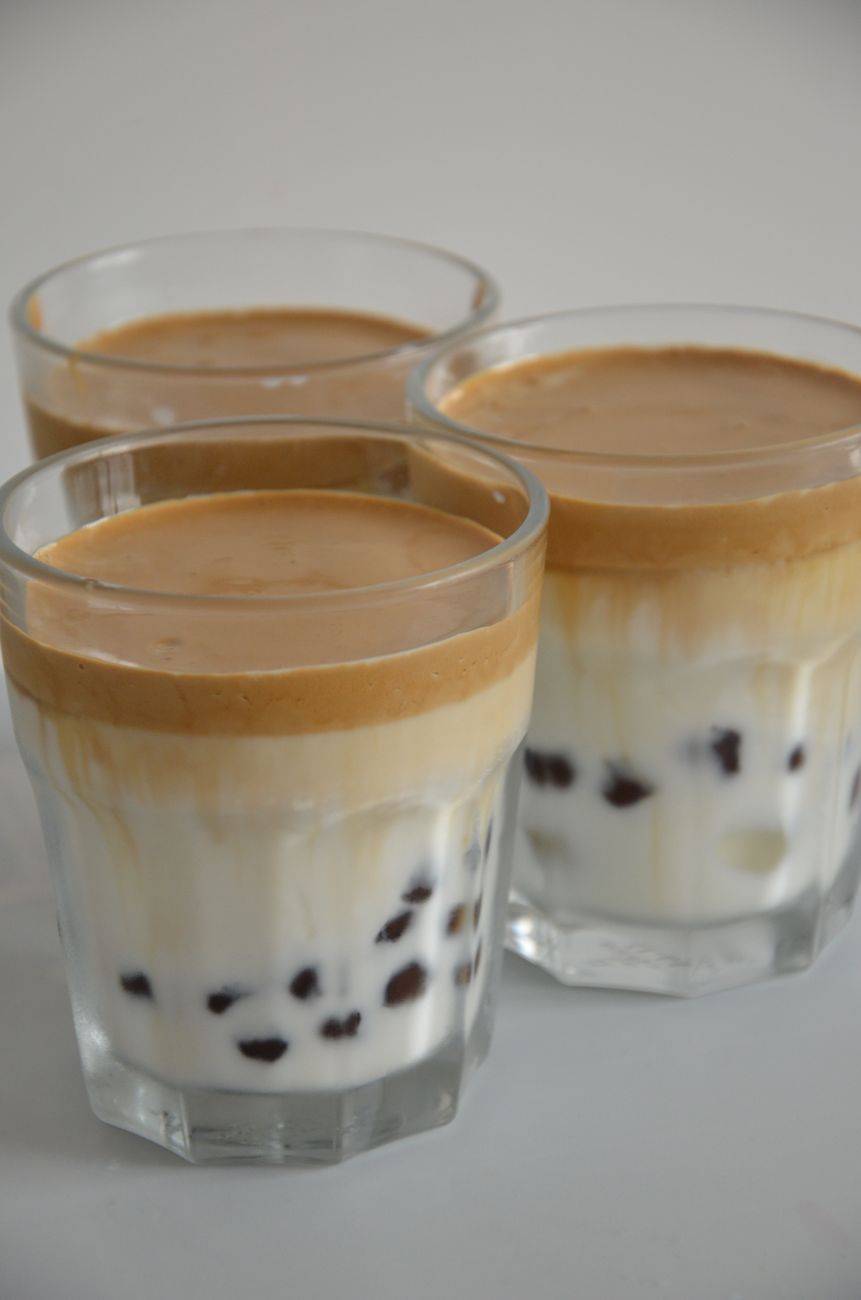
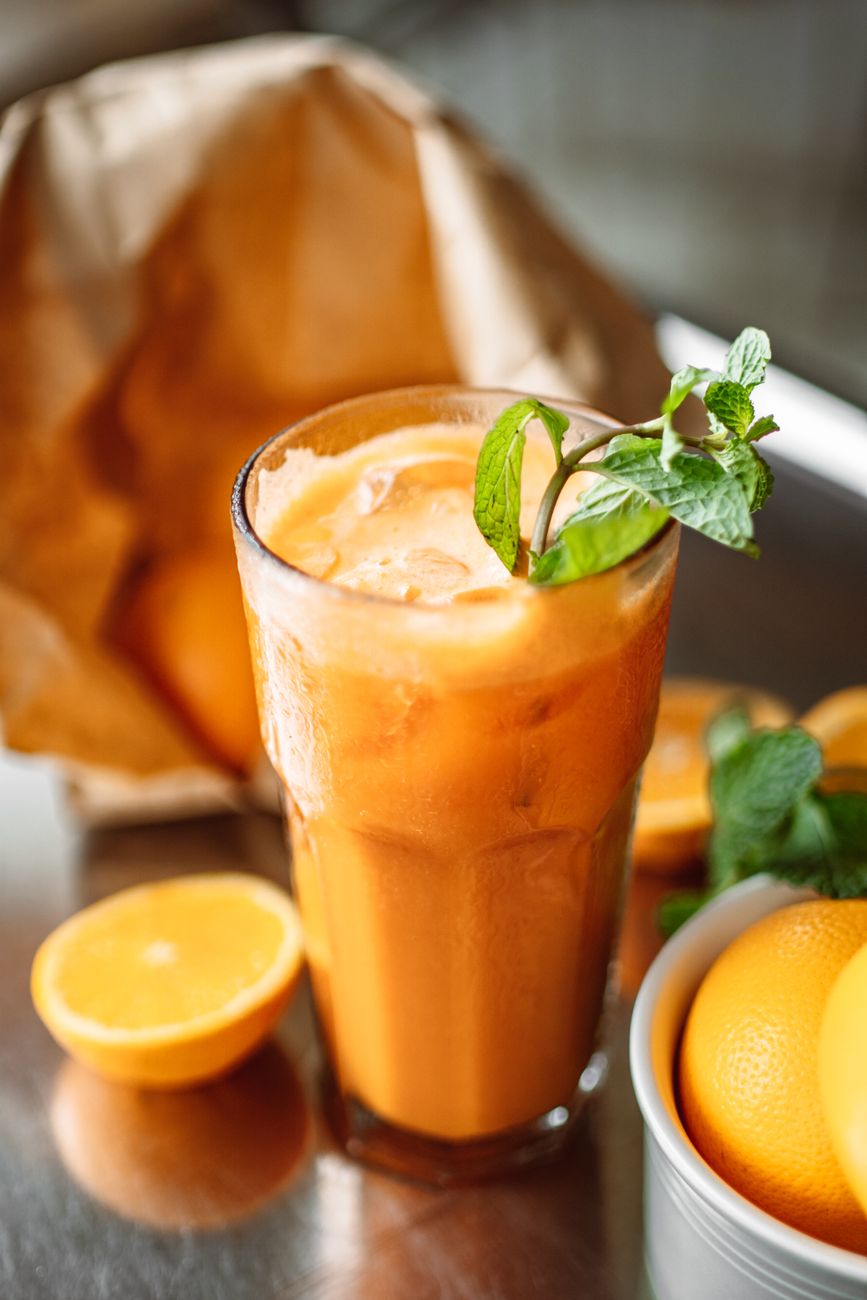
Everyone there loves Boba, orange juice with pulp, and coconut water with coconut chunks.
What is eaten there is nearly beyond description.
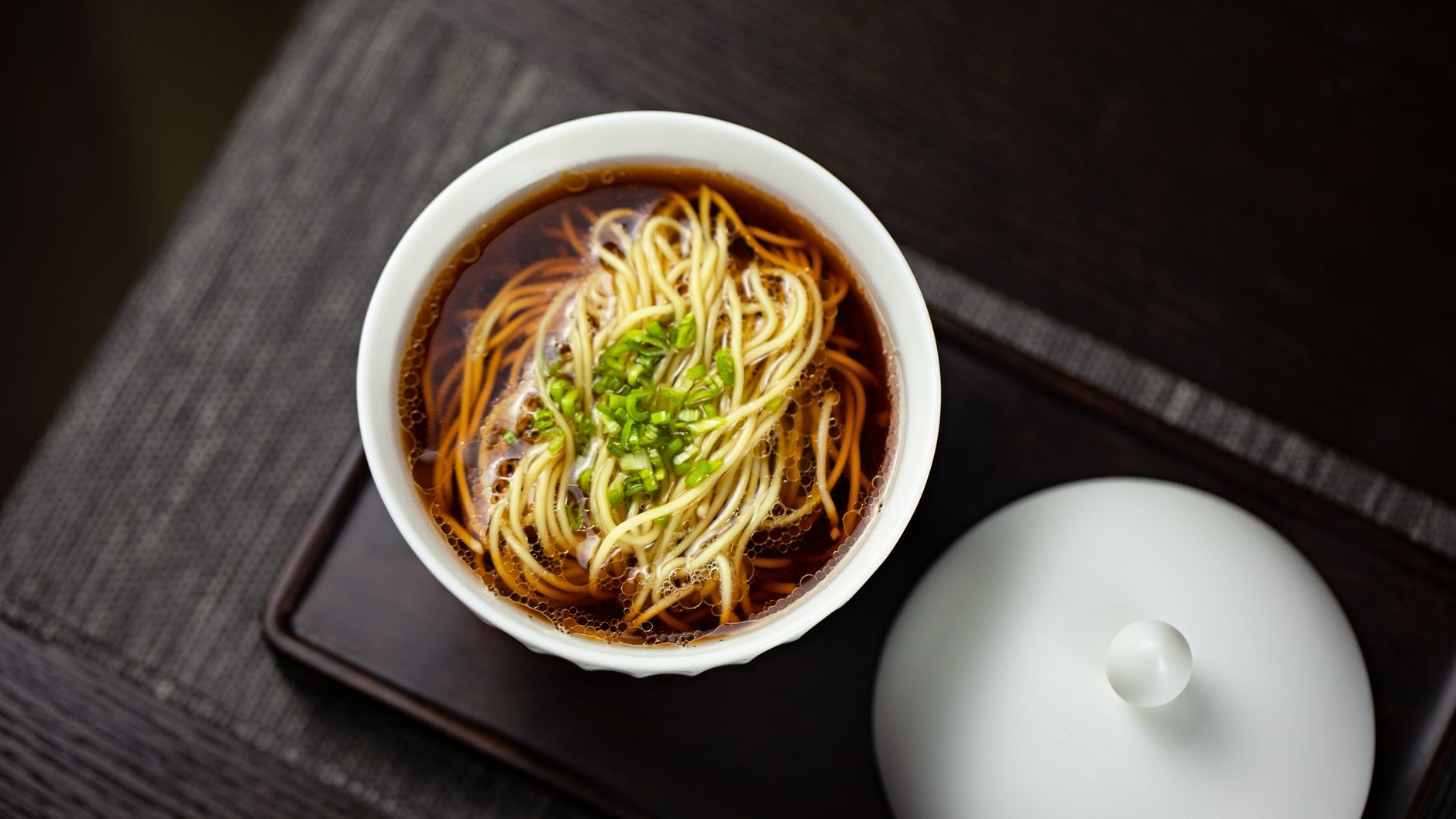
The soup with only one noodle is memorable, despite being ineffable. The solitary noodle is so long it could compete with the Loch Ness Monster for length. He who eats that noodle will only discover later it wasn’t a noodle at all, rather it was a tapeworm. No wonder the chef claimed it was “al dente” when the customer complained he couldn’t bite through it. He would be forced to slurp and swallow instead.
Maybe he tried to vomit the worm back out once he found out what it was. When he finally realized it would only come out with surgery, he would have to be resigned to living for a while as a pregnant woman would: eating for two.
Good call, Mr. Customer, sir.
The tapeworm loves clam chowder. So Mr. Customer will eat that. No those weren’t clams—they were pencil erasers. He shrugs it off, of course, on account of the fact that he has eaten worse things lately.
A plate of mashed potatoes with black pepper turns out to be modeling clay sprinkled with cigarette ashes.
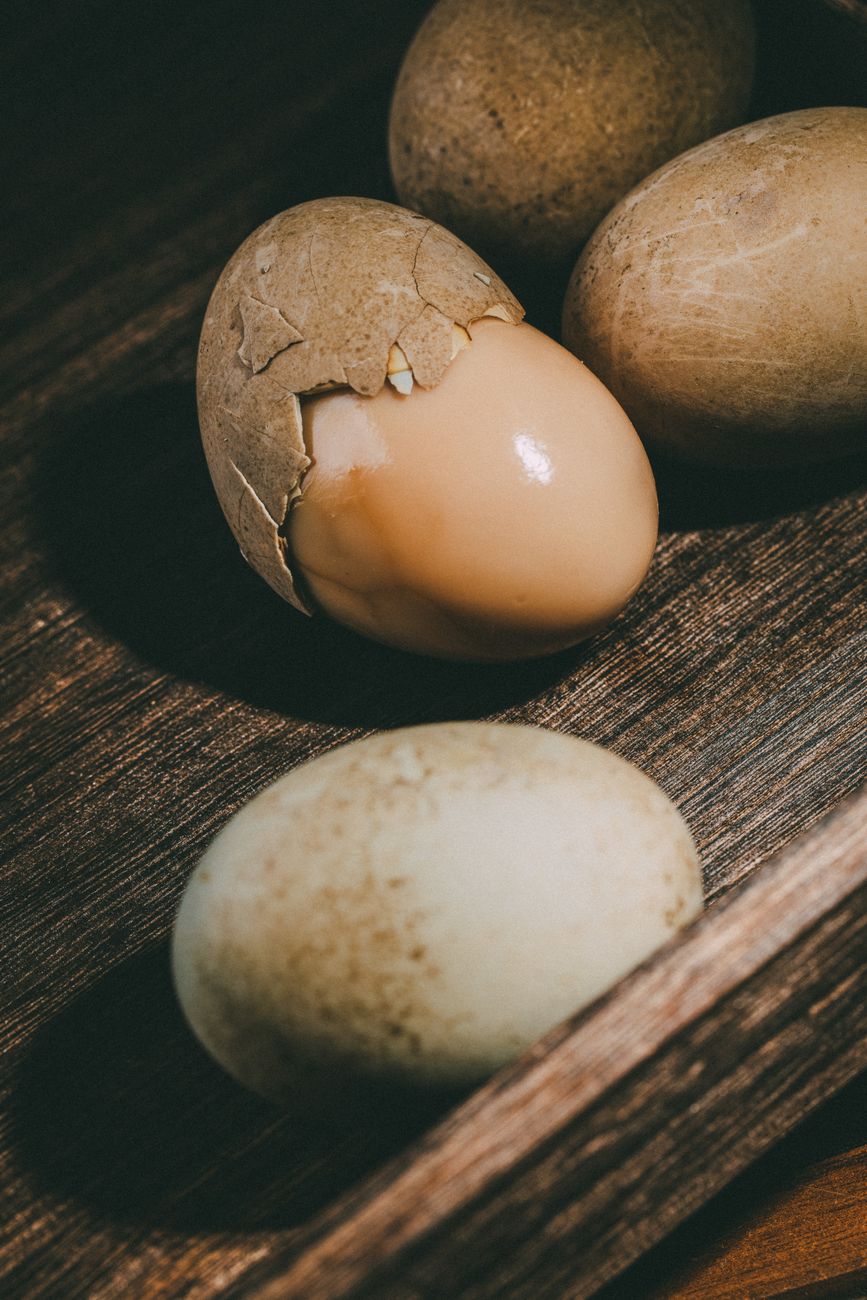
A boiled egg proves to be balut. He found out when he cracked the shell.
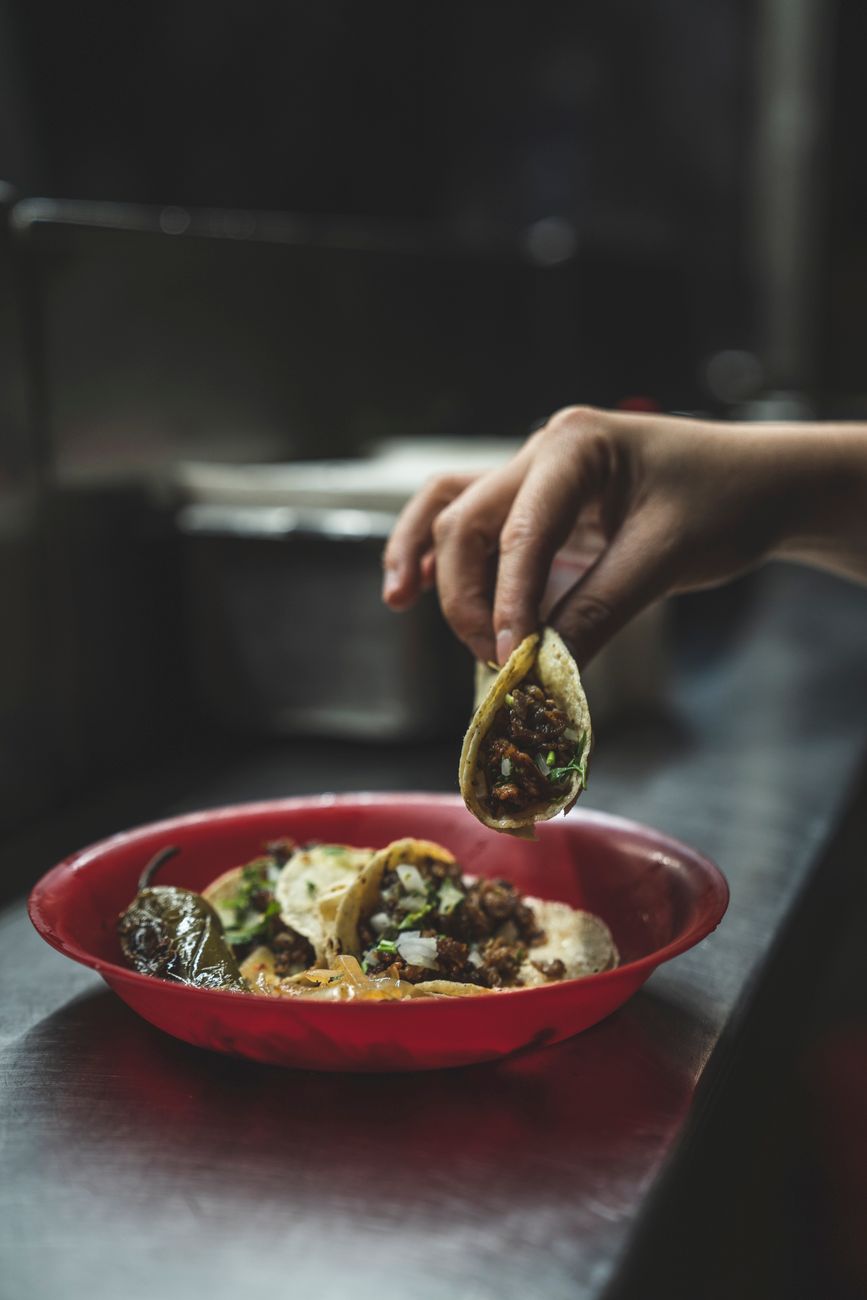
Un poco charco del taco? Not beef fat drippings or salsa water. Instead it’s the liquid from the alfalfa the cow ate.
Rice is not fly larva. It really is rice. The “seaweed” holding the rice in, though, is a rhubarb leaf. Not edible. Not even by a pet worm.
Those people in the valley of the drinks-you-have-to-chew sure do have some fancy restaurants, though their menu items could hardly be described in such a way.

