
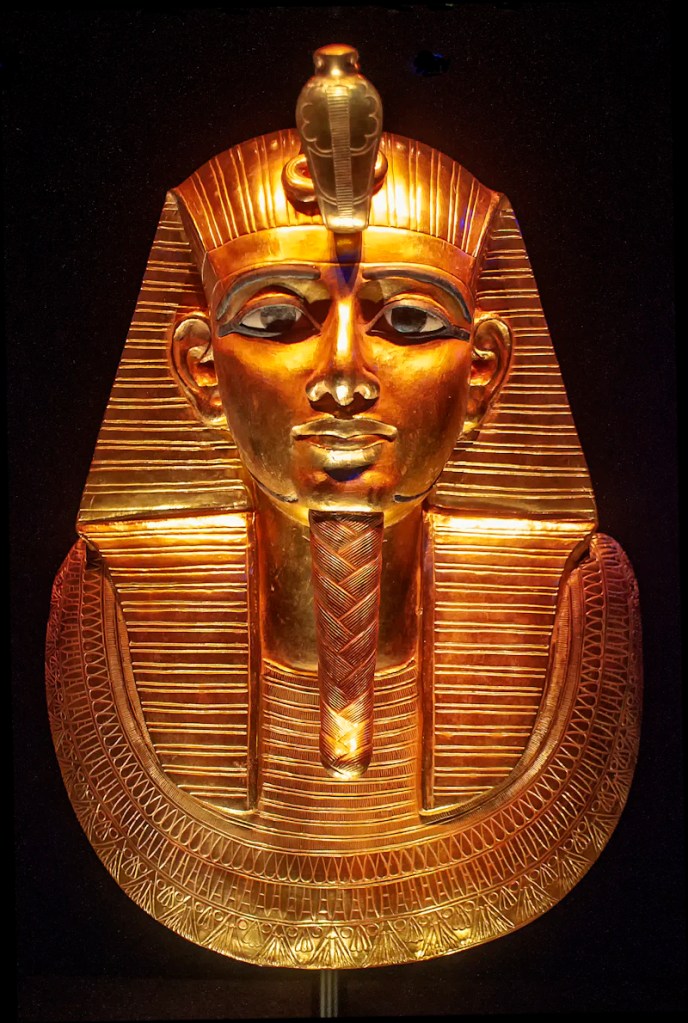
Did you know the Egyptians used to prepare corpses for a second life by embalming and mummifying them?
The embalming is fascinating because it was recognized that certain parts of the body decayed in different ways. Much of what was in the gut would not only rot itself, but the flesh and bones around the intestinal cavity as well.
The Egyptians realized removing everything from the abdomen would allow what remained—to remain.
Part of the embalmation process was to thrust a rod or tube up through the nasal cavity, then to dig with pick and shovel to remove the brain out through the hole. Just kidding about the shovel. The pick though, was real, just not the pick one might think of someone using to dig.
It was not a pickax, but a smaller metal pick with a hooked end for grabbing and pulling brain tissue through a tiny hole.
This is fascinating in a revealing sort of way. When you ask yourself the question, “Where does my spirit reside within my body?” you might be tempted to say it resides in your head. But consider the way the Egyptians thought about this question. They didn’t believe there was any purpose to the brain, because it was so temporary. It didn’t last forever so it didn’t earn a place among that which was saved. That which could last forever was given high status in the tomb, and even given preservatives to ensure it could last forever.
Flesh and bones were wrapped and laid in golden slumber.
The brain, though given a high priority, and high status to us in this day and age, still doesn’t remain for long after death when left to its own fluids. Along those same lines, neither does the heart. Many people might say the heart is where the spirit resides. If so, does the spirit shrivel up and turn into a rotting black stone?
That was a morbid joke. Apologies to anyone out there who wasn’t ready for that sort of Addam’s Family humor.
Regardless of whether you find the subject humorous or fascinating, I still believe it’s worth entertaining some thought on the subject.
 Xenosthesia.com