
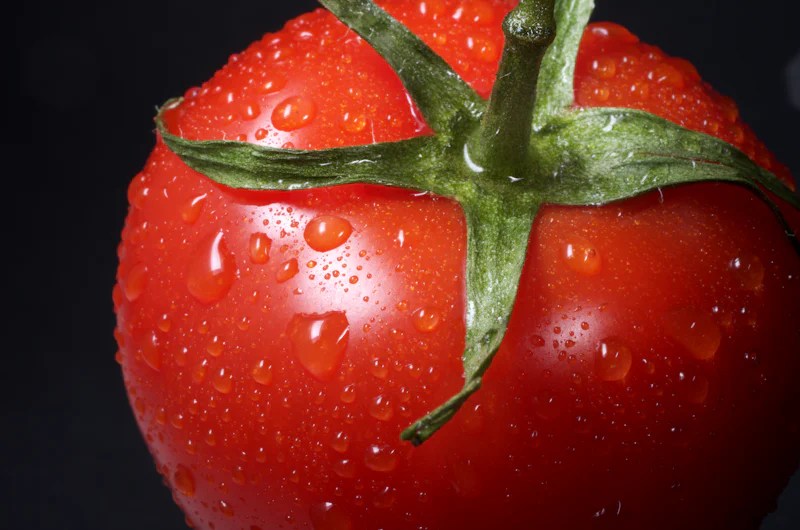
Recently, I heard someone claim ketchup is really only tomato jam.
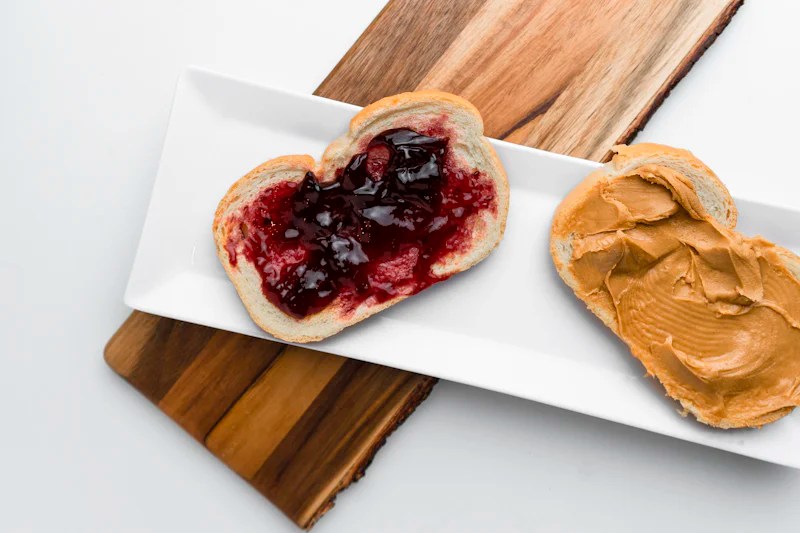
If you think that sounds reasonable, then maybe you’d like to chow down on a peanut butter and tomato jam sandwich.
Personally, I’d rather have strawberry, grape, tangerine, any jam other than “tomato jam”.
You see, this whole insane debate started with some unnamed botanist claiming that the “fruit of the vine tomato” is a fruit. That’s an awkward semantic.
Semantically, any product of anything else is a fruit. The fruits of a window wash are clean windows. The fruits of putting a monkey in a room with a word processor are a million ‘blogs. And, yes indeed, the fruits of planting a broccoli seed are broccolis. Or is it broccolae?
By whichever slant you take that definition, the most dedicated vegetable could be considered a fruit.
It might be good to remind ourselves that the definition of a vegetable is: a plant grown for the purpose of cultivating some edible part of the plant.
That’s another extremely loose definition. By at least one of the definitions of fruits and/or vegetables, all fruits are vegetables, and all vegetables are fruit.
Loose definitions are confusing.
Here’s another way to look at fruits and vegetables that is much less confusing: define it how you use it. Utilitarian semantics are probably the way most of us define fruits and vegetables anyway. We say, “Yes I would like an onion on my hamburger. Put it right next to the tomato.” Like things go together. It’s a utilitarian view.
Or perhaps you’re mixing up a batch of home-grown and home-made salsa. The basic recipe is going to include tomato, onion, and jalapeño, in measured amounts. These three items go together in a beautiful blend of utilitarianism. We use vegetables with vegetables.
Most people aren’t going to say, “By golly, wouldn’t it be great to have some salsa flavored Jello?” Likewise, not many people are kooky enough to say, “Let’s make jam out of this cabbage.” Why? Because we want the vegetables to not be sweetened unnecessarily, or the fruits to be all salty or spicy. It’s all in how we use them and how we want them served.
There are places a tomato should not go. A chopped-up tomato should never, ever be at the bottom of yogurt, waiting to be stirred in. Tomato slices should not be found on top of a birthday cake. Tomato on a potato? Sure. But tomato on top of a pancake with whipped cream? No way.
Not that the Campbell Soup Company is the last and final authority, but they’ve been doing things right for long enough to have amassed the experience points. Take their V8 blend for one example. Yes, there are tomatoes in the V8, along with 7 other vegetables, hence the V in the name. Or for one more fine example, in Campbell Tomato Soup, there are no fruit ingredients, no pear puree or apple juice, only tomato and tomato products.
So let’s all continue to agree and call for fruits when we want to eat a fruit, and call them vegetables when we want to eat vegetables.
 Xenosthesia.com